
Facing up to FE – practical tools to protect your stock this season and every season after.
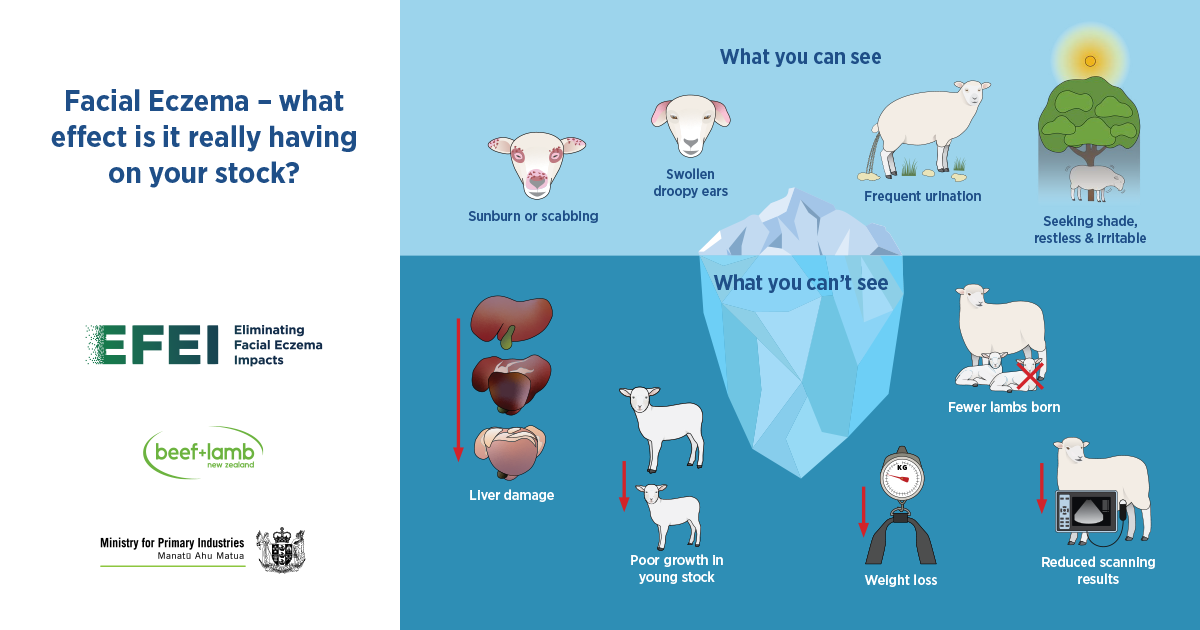
Facial eczema (FE) costs New Zealand's sheep, beef, dairy and deer farmers at least $332 million a year, and most of that loss is never seen. FE is a liver disease. The sore ears and peeling faces are only the tip of the iceberg. For every animal showing signs, there may be ten more with hidden liver damage that holds back growth, scanning, milk and condition for the rest of their lives.
The good news is that farmers have more tools than ever, and they work best together. This toolkit brings them into one place: spore counting, spotting hidden and visible signs, zinc, grazing and forage choices, and breeding for tolerance.
Start here
New to FE, or want a refresher? Read our Facial Eczema 101 (PDF, 2.4MB) first. It explains how the disease works before you dive into the toolkit below.
Want to understand the cycle? Watch Spores to Sores or check out the factsheet.
Watch - Spores to sores.
Factsheet - Spores to sores (PDF, 2.78MB).
What's new in science
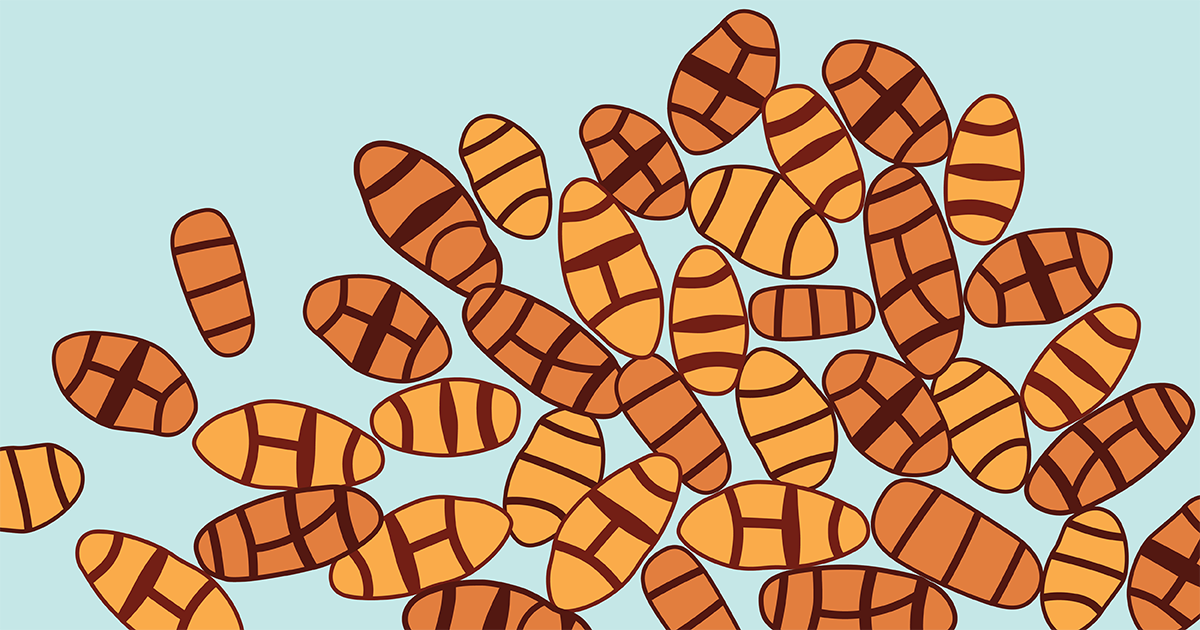
In 2025, researchers in the Eliminating Facial Eczema Impacts (EFEI) programme found that a newly described fungus, Pseudopithomyces toxicarius, is the main producer of the FE toxin. Its spores look almost identical under the microscope to a related fungus that is mostly harmless. Until a lab test to tell them apart is ready (expected in 2027), treat every spore counted as potentially toxic.
FE is also no longer just a northern problem. Conditions that suit the fungus are spreading, and farmers further south and inland are now seeing cases for the first time. If you have ryegrass pasture with dead litter at the base, and a warm, wet late summer and autumn, FE is possible on your farm.
Four layers of protection
No single tool stops FE. Think in layers, and plan them with your vet:
- Monitor – spore counts tell you when risk is rising.
- Reduce exposure – grazing and forage choices keep stock out of the litter layer where spores sit.
- Protect – zinc, in the animal before spores are eaten, at the right dose.
- Build tolerance – genetics is the only tool that gets better every generation.
FE prevention runs all year. In summer and autumn the conversation is spore counts, zinc and grazing. In winter it is ram and bull buying and next season's forage plan. Both matter.
Backed by farmers
The EFEI programme is a seven-year, $20.75 million partnership between B+LNZ, the Ministry for Primary Industries, the New Zealand Meat Board and in-kind supporters. It was prioritised directly by sheep and beef farmers, and it is building better diagnosis, risk forecasting and tolerance testing. The resources on these pages replace the Facing up to Facial Eczema book. As new tools land, we'll add them here.
Involve your vet early. They're your best partner in building an FE plan for your farm. Use this toolkit to start that conversation.
If you don't monitor, you can't manage.
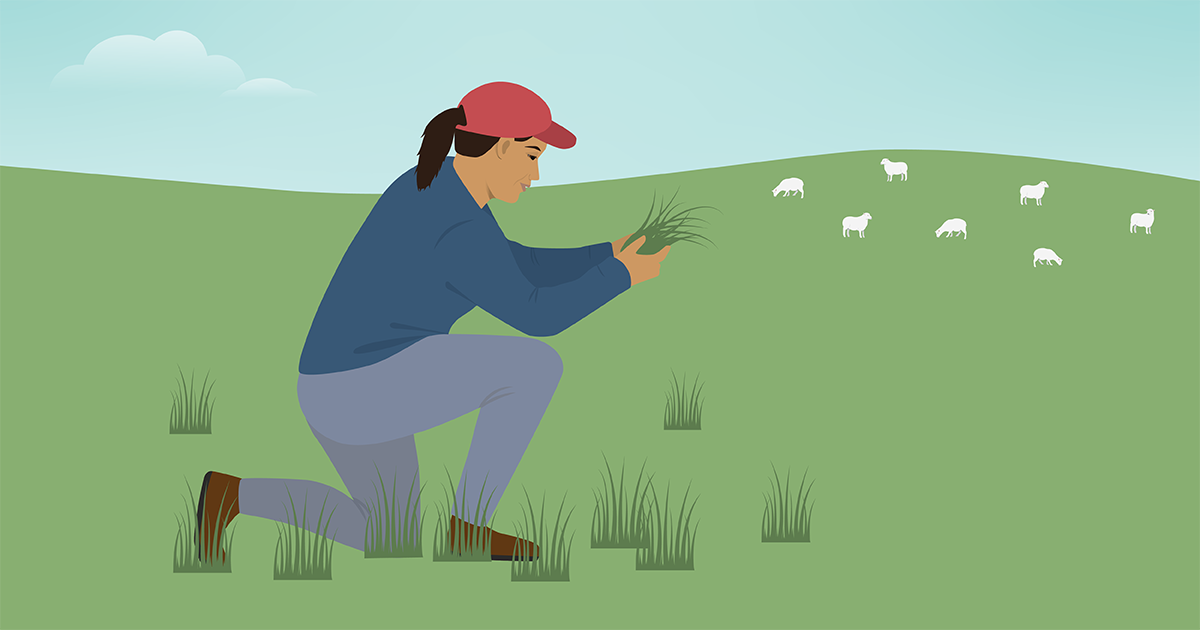
The FE fungus lives on dead leaf litter at the base of the pasture. Spores are thickest in the bottom few centimeters, so the harder a paddock is grazed, the more spores stock eat. Dense pasture (with a thick layer of dead material at the base), and paddocks sheltered by hedges or trees, hold moisture longer and usually carry higher counts. Irrigation can keep spores coming through dry spells.
Watch the weather
The fungus needs warmth and moisture together. Risk climbs sharply when ground-level night temperatures stay at about 12–13°C or above for several nights in a row, with rain, heavy dew, humidity or irrigation. Counts often jump within a few days of warm rain. The main risk period is usually January to May. Heavy rain doesn't wash spores away.
Know your numbers
| Pasture spore count (spores/gram) | What it means | What to do |
| Regional count reaches 20,000 | Conditions are right in your district | Start counting on your own farm |
| Your farm reaches 30,000 | Risk is real on your farm | Call your vet and put your FE plan into action: zinc, lift grazing residuals, shift stock to safer feed |
| Your farm is over 100,000 | Dangerous | Expect clinical cases in unprotected stock – talk to your vet |
| Your farm drops below 20,000 | Risk easing | Keep monitoring – risk stays high until counts are back under this line |
Low counts still matter. Spores eaten little by little over weeks add up and can do as much harm as a one-off high spike. No level of liver damage is known to be harmless.
How to monitor
- Check regional counts – your early warning. Ask your vet clinic, check the Awanui Veterinary Lab Portal, or sign up for FE txt alerts through your B+LNZ login.
- Count your own pasture – sample four typical paddocks plus any you think are high risk. Cut a handful about 1 cm above the ground at 10 or more spots along a diagonal line, until you fill a bread-bag. Avoid gateways, troughs, stock camps and sheltered edges. Grass only – no soil or dung. Label each bag, keep it chilled and get it to your clinic fast.
- Watch the trend – one count is a snapshot. When counts are rising, test at least weekly.
- Try faecal spore counts – these show what your stock are actually eating. Use the same samples as your faecal egg counts and get them to the lab within 48 hours. They're especially useful for knowing when it's safe to stop zinc.
Share your counts
Nil and low counts are as useful as high ones. A district with no data looks the same as a district with no risk. Ask your vet to submit results to the Awanui FE portal, including in-clinic counts. This data feeds a new FE predictive risk model being tested over the 2026/27 season.
- You can check online at the Awanui Veterinary Lab Portal.
- Sign up for FE txt alerts during the season through your B+LNZ webpage login.
Resources
The animals you can see are the minority. Look for the hidden losses too.
FE is a liver disease that sometimes shows up on the skin. Most animals with liver damage never look sick. If you spot five clinical cases, as many as fifty animals in that mob may have liver damage. Liver damage from FE can't be reversed, so finding it early helps you make better grazing, zinc and culling decisions.
Hidden signs (subclinical FE)
- During or after the risk period, think FE when something underperforms and the usual explanations don't add up:
- Slower growth in replacements and young stock
- A tail-end that doesn't respond to drenching, or stock not gaining weight on good feed
- Poor scanning, more dries, or abortions – often the winter after an autumn challenge
- Ewes or cows losing condition in late pregnancy or lactation, or unexpected deaths
- A milk drop or shorter lactation that's out of step with feed
- "Liver" comments on your kill sheets – keep them and share them with your vet
- Your vet can confirm liver damage with a blood test for the enzyme GGT. In sheep, over 100 IU/L points to subclinical FE. In dairy cattle, milk losses start at much lower levels, so ask your vet to read results for your stock class.
See our Sheep Poo Study Information.
- Watch: Hidden signs of Facial Eczema: Beef.
- Watch: Hidden signs of Facial Eczema: Dairy cattle.
- Watch: Hidden signs of Facial Eczema: Sheep.
Visible signs (clinical FE)
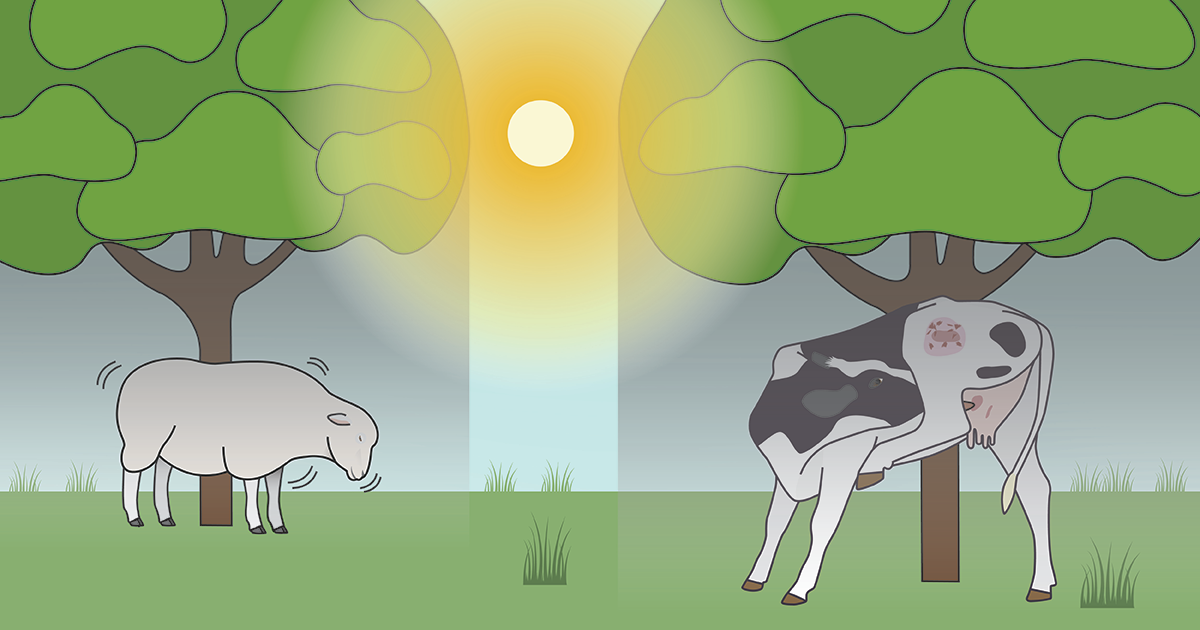 Behaviour changes usually come first: shade seeking, head shaking and ear flicking, rubbing, licking at the udder, restlessness, then dullness and standing apart from the mob. Physical signs follow:
- Swollen, drooping or thickened ears; swelling of the face, eyelids, muzzle or under the jaw
- Runny eyes, and red, weepy or scabby skin on light-coloured areas
- Yellow gums or eyes, urine scald, weight loss and poor rumen fill
Sheep usually show ear and face changes first. Dairy cows often show sore udders and teats and can be hard to milk. Deer, goats and alpacas are affected too.
Most cases appear January to May. But a damaged liver can fail months later under pressure, around lambing or calving. Sunburn-like signs in spring are more likely to be spring eczema, which isn't related to FE. Talk to your vet if you're unsure.
Diagnosing FE
You can diagnose clinical FE by putting the pieces together: the physical and behaviour signs above, FE spores on your farm or in your district, and liver damage seen in deaths, culls or on kill sheets. Other conditions that look similar, such as rape scald, liver fluke, spring eczema and reactions to some plants like St John's wort, need to be ruled out.
Hidden (subclinical) FE is harder to spot. If you suspect it, call your vet. They can help tell it apart from other causes of poor performance.
If you see clinical cases
- Move stock off the risky paddock onto longer pasture or crop.
- Give shade and clean water. Shade eases the outward signs but won't fix liver damage.
- Call your vet straight away. They may blood-test a sample of the mob, including normal-looking animals.
- Check livers of any deaths or culls and take dated photos.
These signs usually occur between December and May in New Zealand regions where toxic Pseudopithomyces spores are known to occur, but delayed FE can occur in August – October during times of stress. Other diseases with similar issues need to have been ruled out. For example, liver fluke can also cause elevated GGT and certain plants such as rape can cause photosensitivity.
Resources
- Read: Why clinical cases are just the tip of the iceberg (PDF, 2.17MB).
- Read: Iceberg beef cattle (PDF, 1.4MB)
- Read: Iceberg dairy cattle (PDF, 1.15MB)
- Watch: Liver descriptions.
- Watch: Check those livers.
- Watch: Cutting the livers.
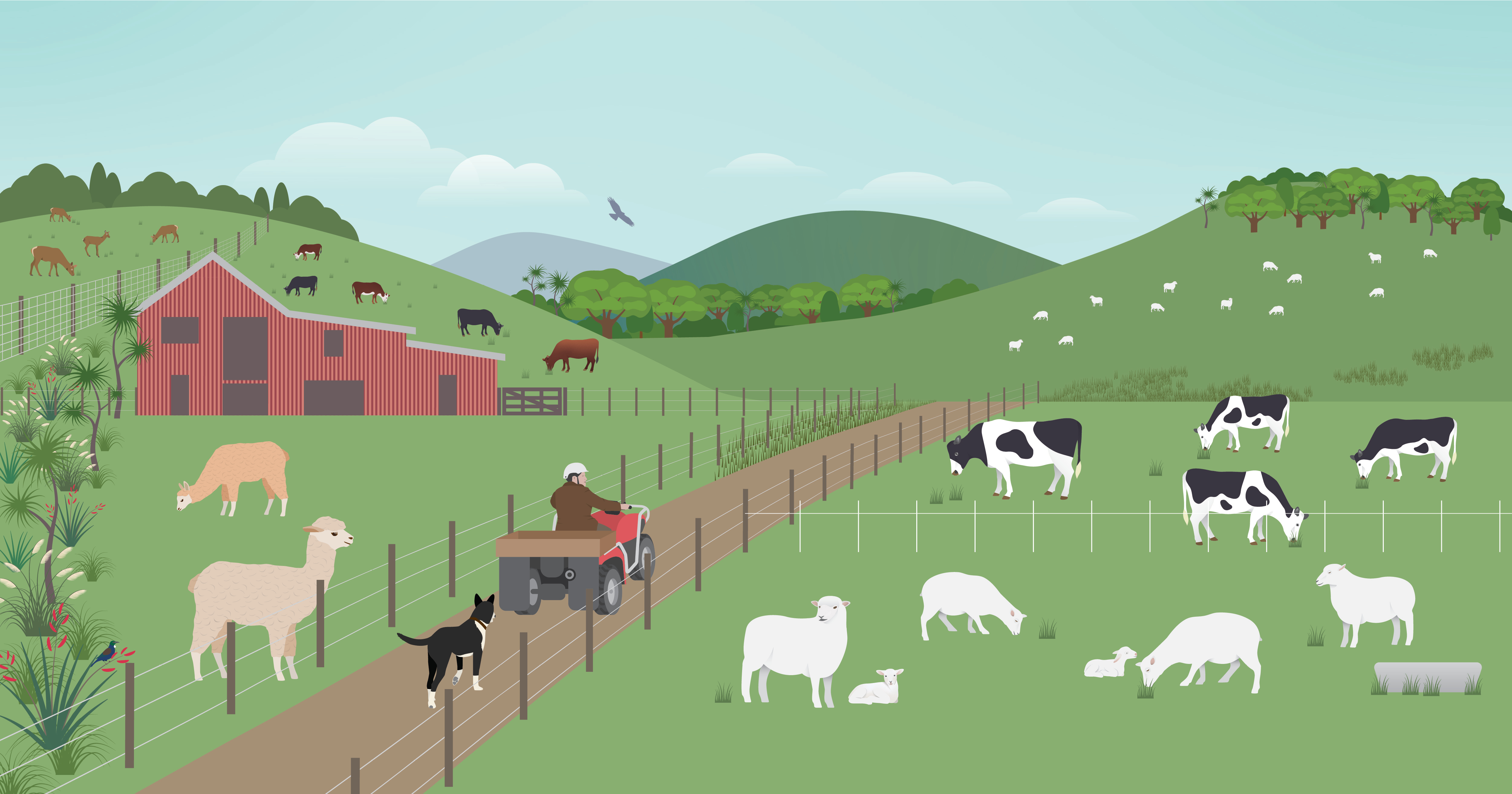
Protect this season's stock with zinc and cut the risk with smart grazing and forages.
Zinc dosing – timing is everything
Zinc binds the FE toxin in the gut so it can't reach the liver. It protects; it doesn't cure. Zinc must be in the animal before spores are eaten, and it won't undo damage already done.
Start before, or as, your spore counts begin to rise – usually early to mid-January. Let your own count, not the calendar, set the start date. Don't stop until spore counts drop below 20,000. Pasture can stay risky after the weather cools.
| Method | How well it protects |
| Zinc oxide drench, daily or twice weekly | Best protection, but labour intensive |
| Zinc oxide drench, weekly | About 60% |
| Zinc oxide drench, fortnightly | About 50% – not enough in a bad season |
| Zinc bolus (capsule) | About 4 weeks in cattle, up to 6 weeks in sheep, depending on product |
| Zinc in water troughs | Unreliable – not recommended as your main method |
| Zinc pellets or nuts | Unknown – intake isn't controlled |
Build your zinc plan with your vet, and always follow the product label for dose rates.
Dosing isn't the same as protection. Ask your vet to blood-test about 10 animals 3–6 weeks after dosing starts, to check zinc levels are where they should be. Too much zinc is toxic and lowers copper, so review copper supplements through the season.
Can't dose every animal? Work out priorities with your vet. Young replacements carry damage for life, and rams and bulls are costly to replace.
Grazing management
- Leave residuals higher through the risk period, so pasture isn't grazed down into the litter layer. This is a very useful grazing lever.
- Graze ryegrass-dominant paddocks lightly and move stock to safer pasture or crop.
- Use supplement to lift residuals – change the grazing allocation too, not just add feed.
- Plan around known "hot" paddocks, especially sheltered ones.
- Measure, don't guess – a sward stick or plate meter turns residuals into numbers.
Bonus: the base of the sward also holds worm larvae, so higher residuals help with parasites too.
Forages that lower risk
Chicory and other herbs, legume-based swards and tall fescue grow less dead matter than ryegrass, cocksfoot or browntop. Plant them in spring, ready for summer. Once established, they lower risk for several seasons.
Fungicide
Spraying kills the fungus (including beneficial fungi), not spores already there. It needs to be applied before counts rise. It lasts up to six weeks and only protects country you can get a sprayer over.
Feed well
Well-fed stock cope better. Stress – late pregnancy, lactation, yarding, transport – adds extra strain on a liver that may already be damaged.
Resources
- Managing Facial Eczema on-farm (PDF, 4.19MB).
- FE by pasture species selection and grazing management (PDF, 51.4KB).
- Tackle Facial Eczema risk with forages (PDF, 554KB).
Breeding for FE Tolerance
Click through to the next section ‘Breeding matters’ to find out about FE tolerant genetics.
A long-term strategy for flock and herd health.
Breeding for FE tolerance is the only prevention tool that improves every generation. Once tolerance is in your flock or herd, it stays there, as long as you keep buying tested rams or bulls. It works alongside zinc, grazing management and spore monitoring, and makes all of them easier.
Why it works
- In sheep, a sire passes on about 40% of his FE tolerance to his offspring. In dairy cattle, it's about 30%.
- Gains build on each other, so every generation starts from a stronger position than the last.
- With balanced breeding goals, you don't have to trade off growth, fertility or productivity.
- Tolerant stock grow better and recover faster in tough seasons, but they still need management.
How much protection you get depends on how long your breeder has been testing, and how long you've been using their genetics.
Buying rams
The most important decision isn't which ram you buy. It's whose driveway you drive up. Buy from breeders who actively test for FE tolerance.
- Doing well in an outbreak year isn't proof. FE challenge changes too much from season to season.
- Untested rams can undo years of gains.
- Ask to see the breeder's RamGuard™ certificate and genetic trend graph, and ask how long they've been testing.
- Don't forget your terminal rams. Ask the breeder about FE tolerance too.
- nProve lets you search for breeders who record FE tolerance. Build your shortlist before ram-buying season.
Dairy, beef and deer
LIC and CRV have both invested in FE-tolerant sires for dairy farmers. There are no formal breeding programmes yet for beef cattle or deer. Talk to your vet about what's possible within your own herd.
Built by farmers
Today's FE-tolerant genetics exist because sheep breeders refused to give up. After FE wiped out more than half their central flock in 1970, members of the Auckland Romney Development Group, now Advanced Romney Designer Genetics (ARDG), went back through their records to find out why some lambs had survived. Two related sires stood out. Only 8% of their lambs had died, against 16–26% for the other rams. That one observation showed FE tolerance ran in families.
Working with Ruakura scientists and MAF advisors, breeders of several breeds proved in the late 1970s that FE tolerance could be bred for. They then set up a testing service for the whole industry. That work, carried on by the ARDG, FE Gold breeders and others, underpins the tolerant flocks farmers buy from today.
Genetics doesn't replace zinc, grazing and monitoring in a high-risk season, or your vet's role in diagnosing and managing FE. But it's the one investment that keeps paying back.